
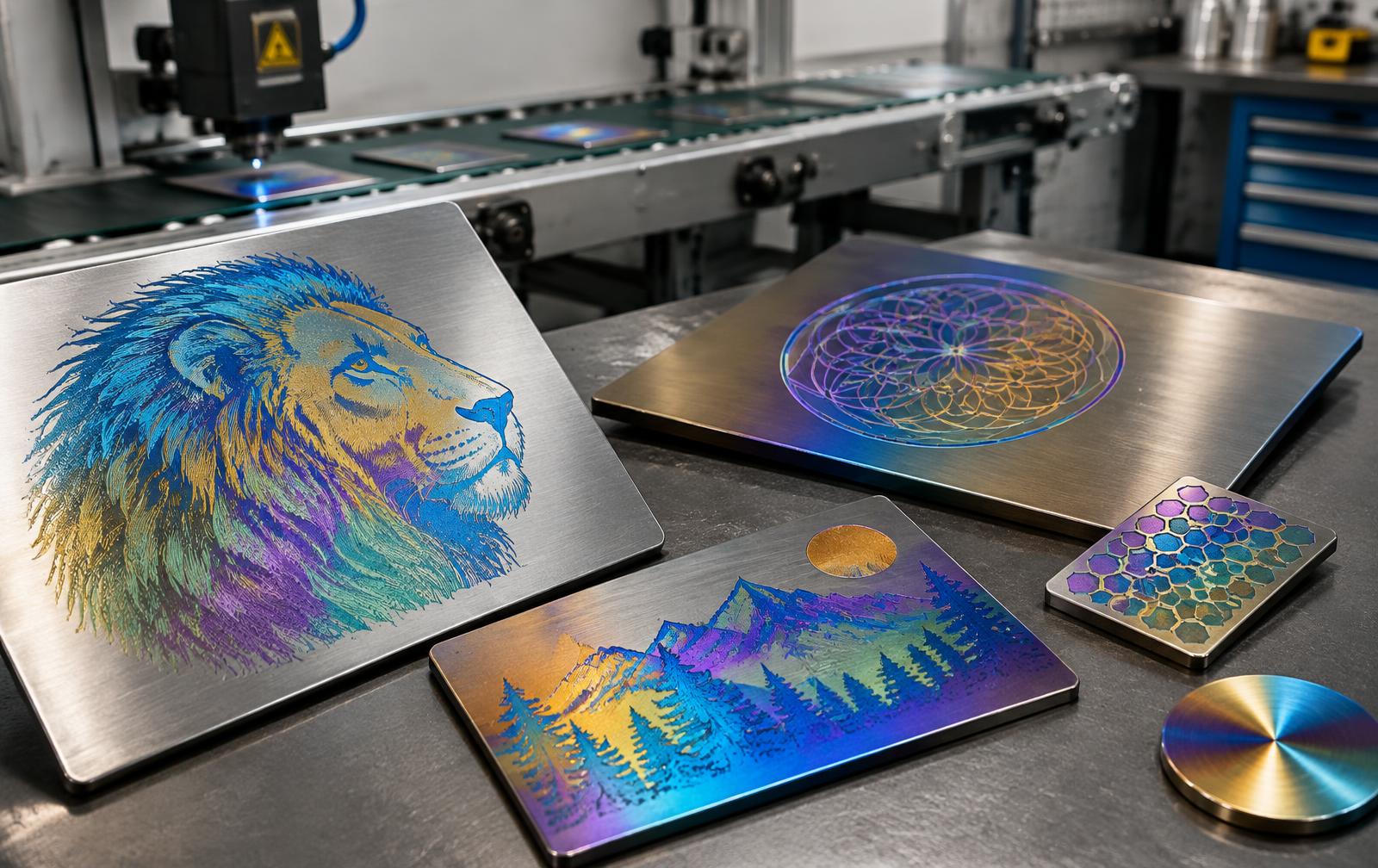
Permanent
No inks or stickers.
Design studio with its own factory in Valencia
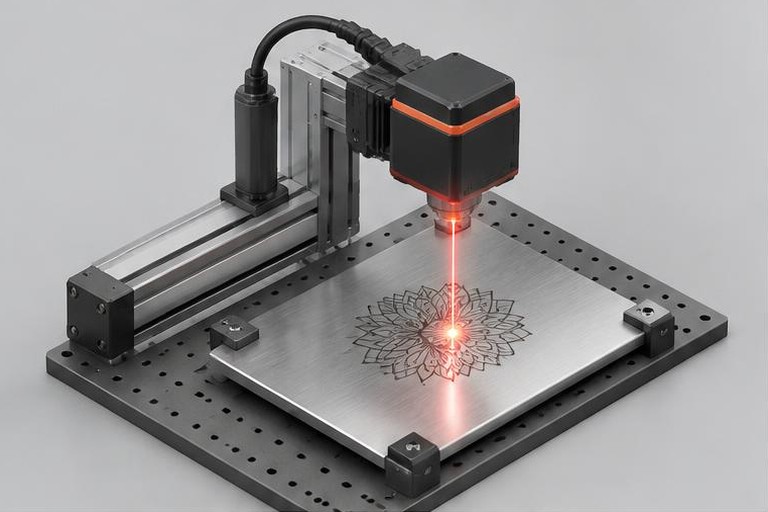
CE and rating plates, serial numbers, QR and DataMatrix, electronic housings and branding on mass-market products. Permanent marking on stainless steel, anodised aluminium, titanium and engineering plastics, from one part to unlimited runs.
Identify, not decorate
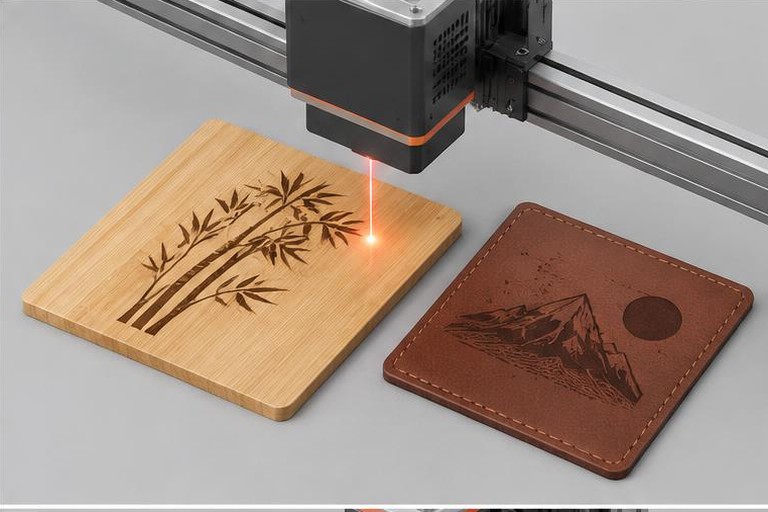
Industrial marking is not decoration: it is the legal and technical identity of a product. It has to stay readable after oils, cleaning, heat or friction. We do it with fibre and UV lasers, with no inks or labels, and as a design studio with our own factory we can also design and make the part being marked.
No inks or stickers.
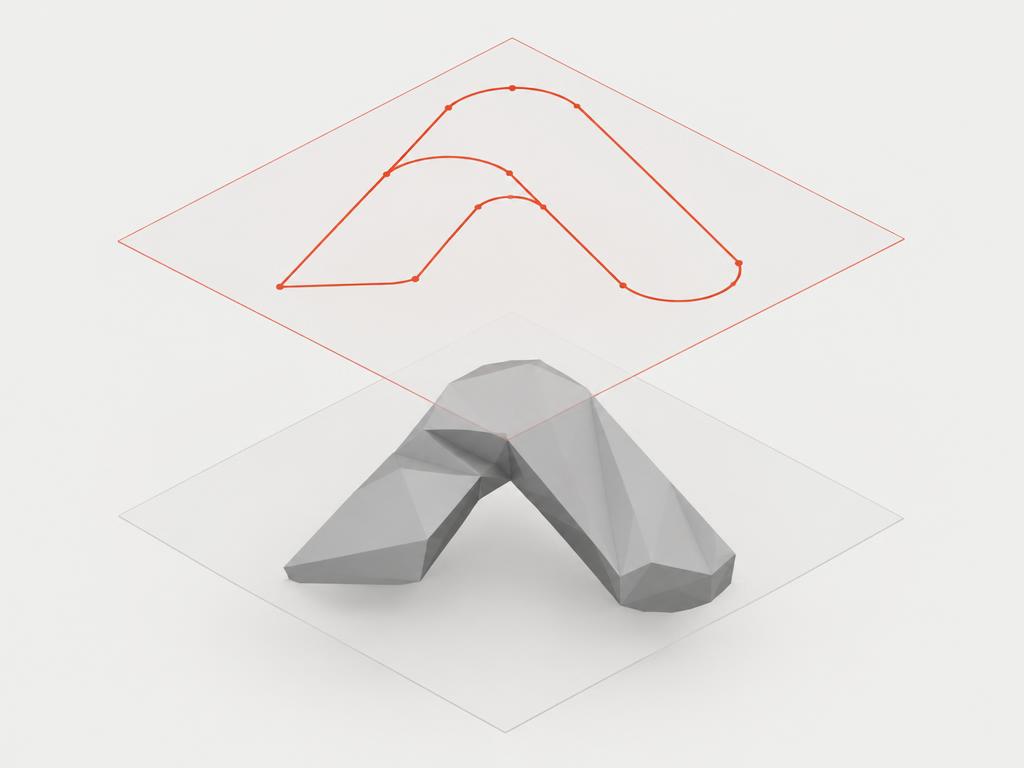
Serials and codes from a spreadsheet.
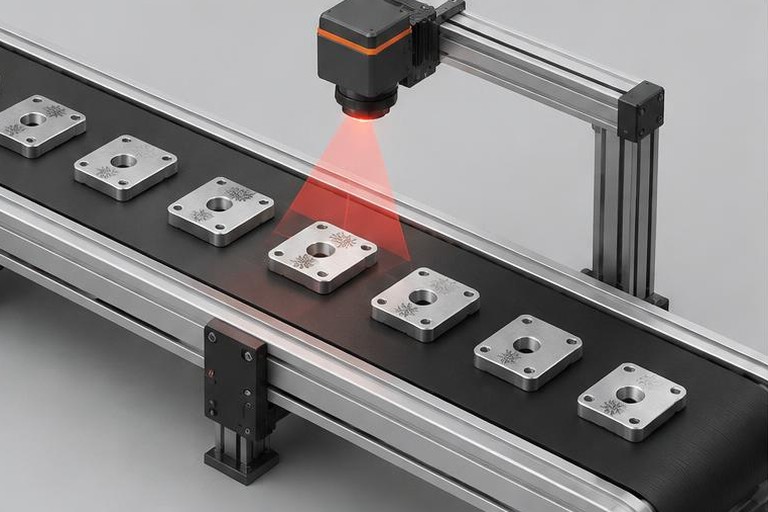
Conveyor and vision camera.
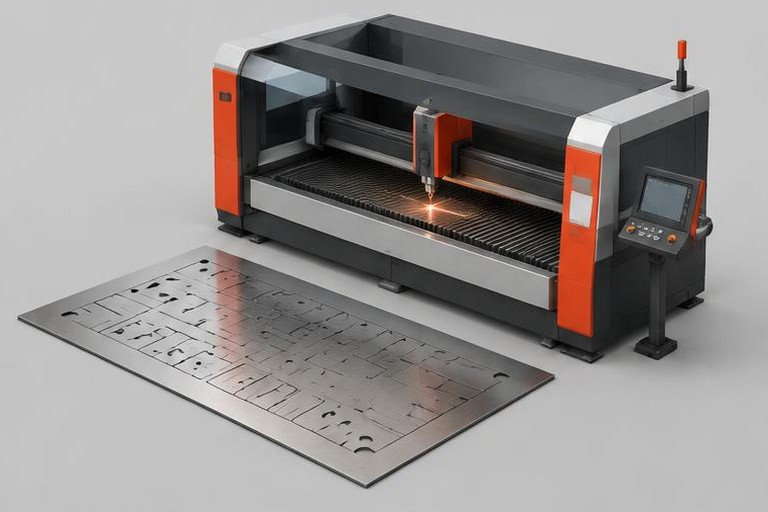
We cut, mill or print it first.
Applications
We make and mark the plates that legally identify a machine, electrical panel or piece of equipment: manufacturer, model, serial number, year, voltage, power and CE logo. We cut them to size in stainless steel or aluminium, with holes or adhesive, and the mark is part of the metal itself, with no inks that wear off.
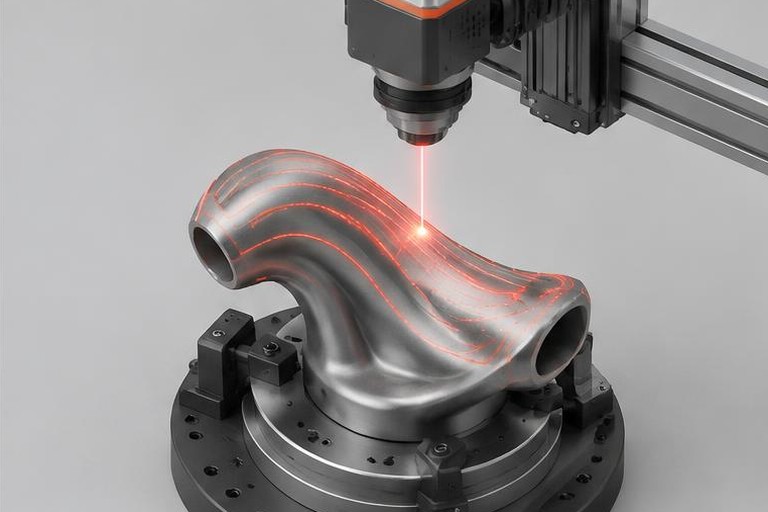
We mark sequential numbers, batches, dates and machine-readable codes directly on the part. Send us a spreadsheet with the data and the laser changes the content on every unit. It is how each component carries its identity for its whole service life.
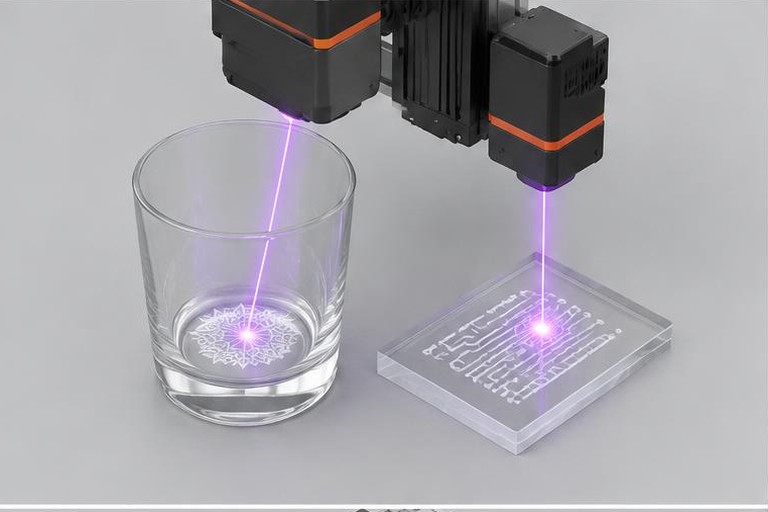
We mark logos, port labels, diagrams, icons and regulatory text on machined or anodised aluminium housings, injection-moulded and 3D printed plastics. Fibre removes the anodised layer with a clean white contrast, and UV marks heat-sensitive plastics without melting or warping them.
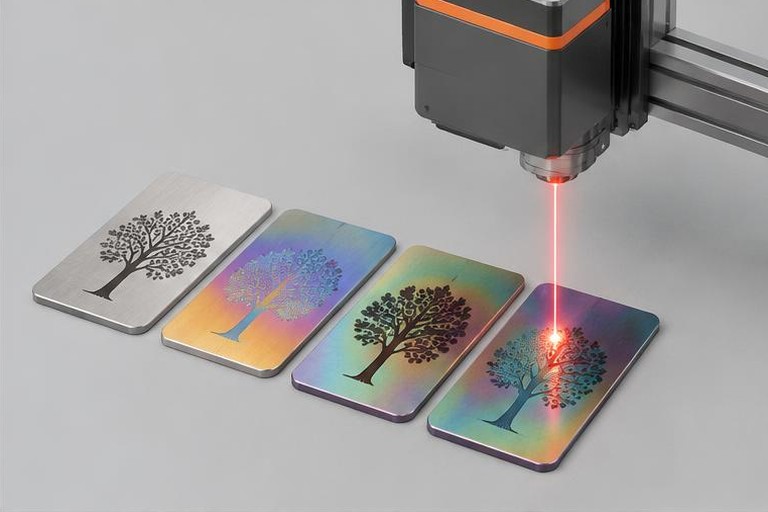
We engrave your brand on tools, components, accessories and consumer products you will sell in volume. The MOPA fibre works with a conveyor and detection camera that recognises each part and its orientation, so no jig or manual placing is needed and runs have no unit limit.
Our laser sources
Unlimited runs, deep black, white and colour on stainless and titanium.
Deep wear-resistant marking and curved or stepped parts.
Plates, serial numbers and codes with minimal set-up.
Cold marking of engineering plastics, glass and electronics.
Marks references before cutting the sheet, in the same pass.
Details of every machine in machinery and in laser engraving in Valencia.
Accepted materials
| Material | Result | Technology |
|---|---|---|
| Stainless steel | Annealed black, deep engraving or colour | MOPA · JPT fibre |
| Anodised aluminium | White by removing the anodising | MOPA · Raycus fibre |
| Raw aluminium | Matt grey or deep engraving | JPT fibre |
| Titanium | Colour by controlled oxidation | MOPA fibre |
| Carbon steel, brass and copper | Dark or deep marking | JPT · Raycus fibre |
| Engineering plastics (ABS, PC, POM, polyamide) | Contrast without melting or warping | UV laser · MOPA fibre |
| Glass and technical ceramics | Fine cold marking | UV laser |
Metal swatches
Raw, satin or mirror stainless, coloured anodised aluminium, brass, copper and titanium: we cut them to size for your plates and mark them in the same factory. Tap a swatch to see thicknesses and sizes.
 Plancha de Cobre Industrial
 Plancha de Latón Industrial
 Plancha de Zinc Industrial
 Plancha de Aluminio Granito Oro
 Plancha de Aluminio Liso Pulido
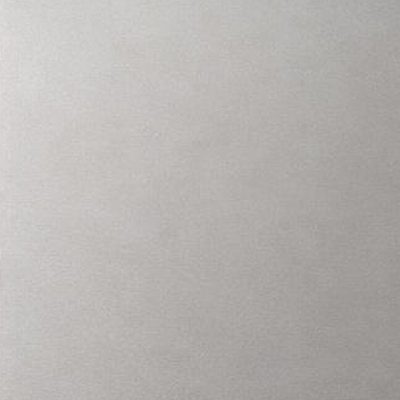 Stainless steel AISI 304, raw (2B)
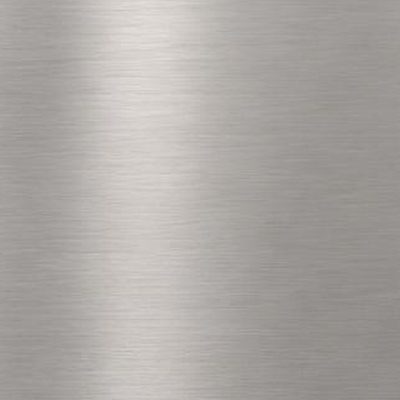 Stainless steel AISI 304, satin
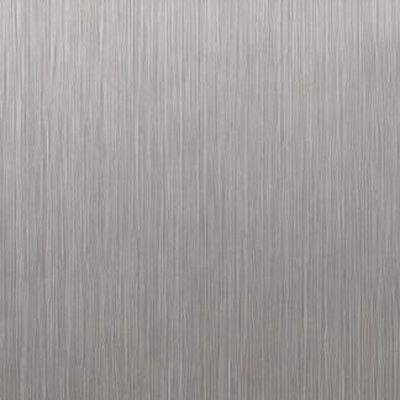 Stainless steel AISI 304, brushed
 Stainless steel AISI 304, mirror polished
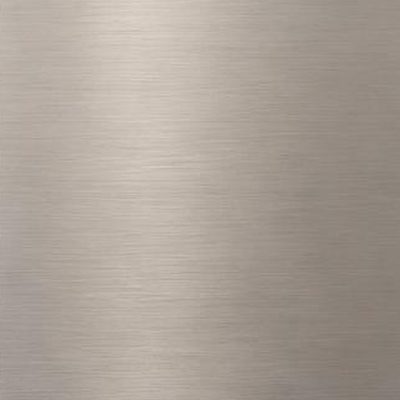 Stainless steel AISI 316L (marine grade)
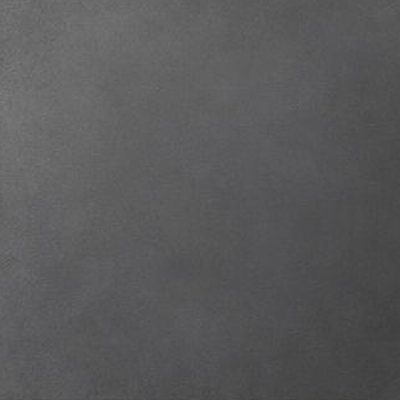 Cold-rolled carbon steel (DC01)
 Pickled carbon steel (S235JR / DD11)
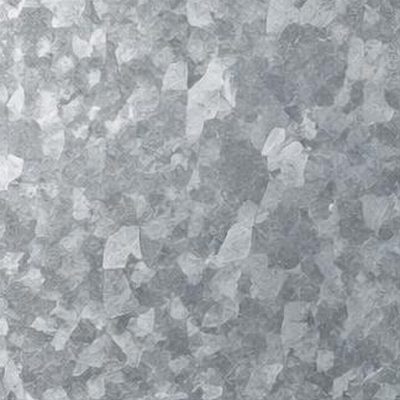 Galvanised steel
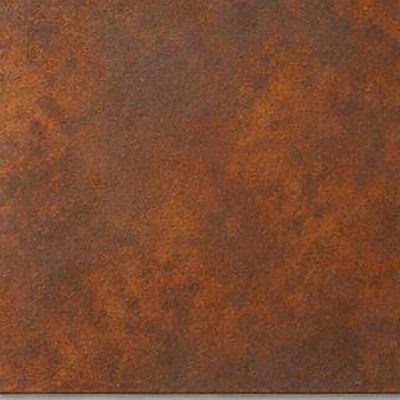 Corten weathering steel
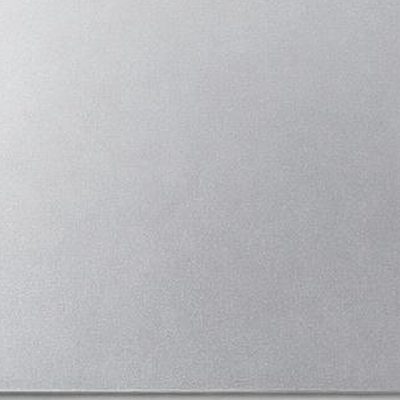 Aluminium 5754 / 1050, raw
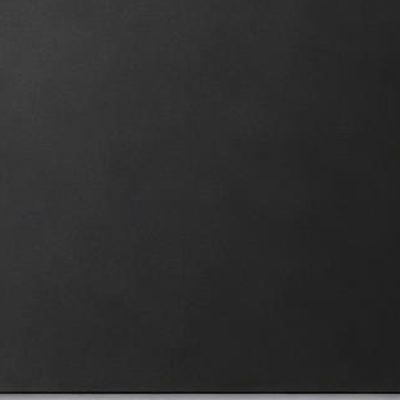 Black and silver anodised aluminium
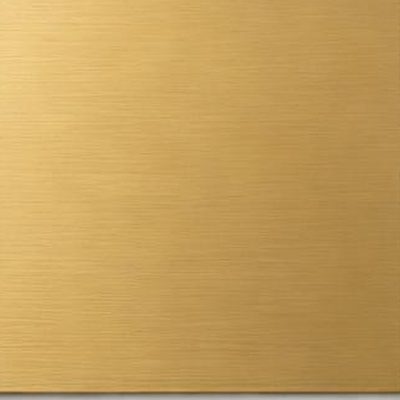 Gold, bronze and coloured anodised aluminium
 Brass CuZn37, mirror polished
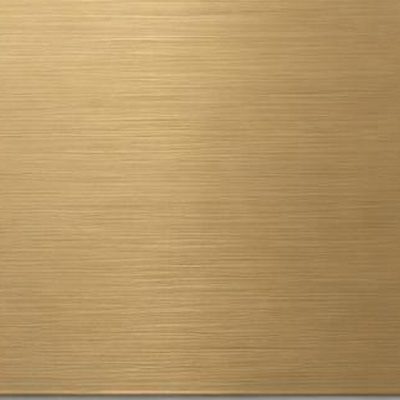 Brushed / satin brass
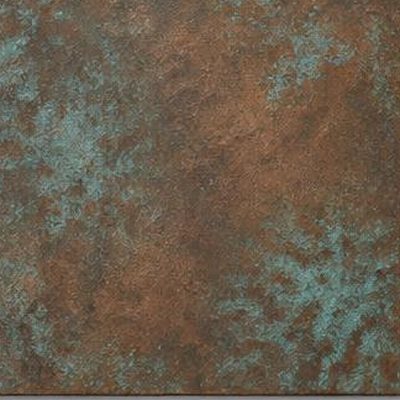 Electrolytic copper (bright or patinated)
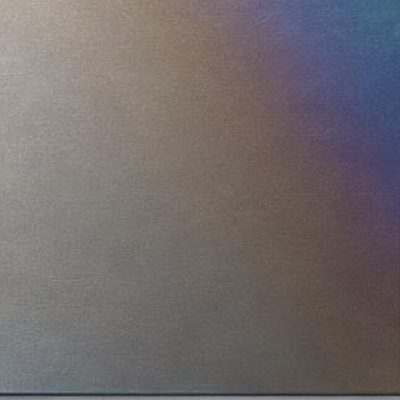 Titanium grade 2 and grade 5
Real projects
Marking or engraving
| Engraving | Industrial marking | |
|---|---|---|
| Goal | Personalise and decorate | Identify and trace |
| Typical client | Brands, events, gifts, retail | Engineering firms, manufacturers, electronics |
| Content | Logos, artwork, text | CE, serial numbers, QR, DataMatrix |
| Requirement | Looks and contrast | Readability and permanence |
Looking to personalise gifts or objects? See laser engraving in Valencia.
Who for
Process
Keep exploring
We answer your doubts
Engraving personalises or decorates; industrial marking identifies a part in a readable, permanent way: CE plates, serial numbers, batches and QR or DataMatrix codes. We use the same fibre and UV sources, but marking prioritises readability and durability.
Yes. We cut the plate to size in stainless steel or aluminium, with holes or rounded corners, and mark it with your machine data. Send us the content and the size.
A spreadsheet with one row per unit (serial number, batch, QR URL…) is enough. The laser changes the content on every part, and before the run we send you a sample to approve.
It is not ink: the laser modifies the material surface. Depending on the finish —annealing, anodising removal or deep engraving— it resists oils, cleaning products, heat and friction.
Yes. The UV laser cold-marks engineering plastics, electronic housings and glass without melting or warping them; some plastics also accept MOPA fibre.
From one part. For large runs we use the MOPA fibre with conveyor and detection camera, with no unit limit.
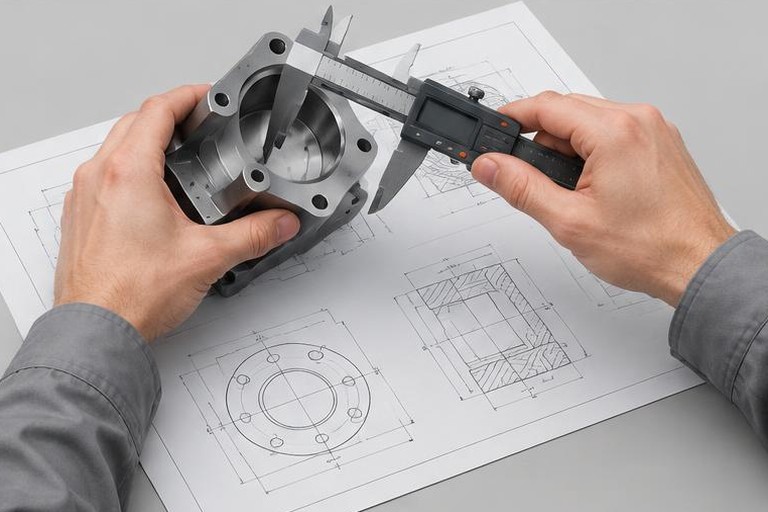
Yes, bring or send us your parts and we mark them. We can also make them first in the same workshop: sheet laser cutting, CNC milling or 3D printing.
Can't find your answer? Write to us and we'll reply within one business day.
Tell us the part, material, quantity and the data it must carry. We suggest the technology and send you a quote.